Setting up satellite television correctly helps you enjoy clear pictures, reliable reception and access to your subscribed channels. Whether you are moving into a new property, upgrading your decoder or installing television services for the first time, careful planning can help prevent connection problems. Professional DStv installations involve more than mounting a satellite dish. The equipment must be positioned correctly, cables must be connected securely, and the decoder needs to receive an adequate signal. Each property has different requirements, so the installation should suit your building layout and viewing needs.

New Satellite Television Setup
A new installation usually begins with an assessment of the property. The installer checks for a suitable dish mounting position, a clear view of the satellite and a practical route for the cables. The location of the television and decoder also influences the final setup.
Well-planned DStv installations can help reduce avoidable signal interruptions and keep the equipment organised. The installer should secure the dish, align it correctly and test the connections before completing the job.
If you have recently moved into a house or apartment, an existing dish may not be ready for use. It could be misaligned, damaged or connected to unsuitable cabling. An inspection can establish whether the equipment can be reused or needs attention.
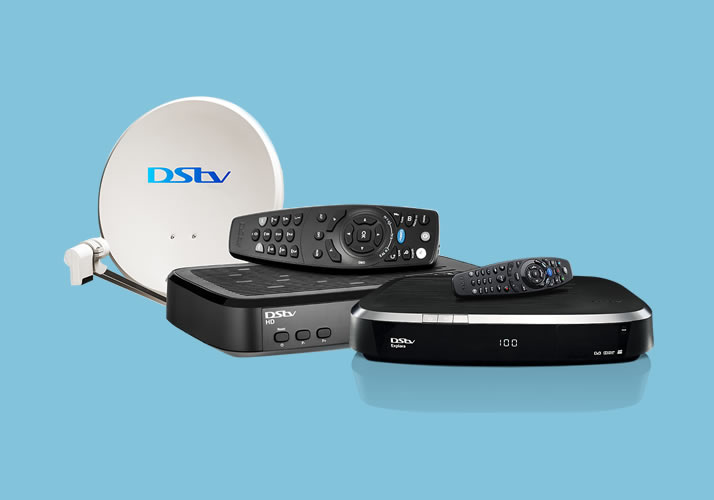
Satellite Dish Mounting and Alignment
Dish alignment plays an important role in television reception. Even a small change in position can affect signal quality, particularly if the mounting bracket is loose or the dish has shifted during strong winds.
During DStv installations, the mounting surface should be checked to ensure that it can support the dish securely. The installer then positions the equipment, checks alignment and tests the signal using appropriate tools.
A suitable installation position should avoid unnecessary obstructions from trees, walls and nearby structures. Outdoor connections should also be secured and protected against weather exposure where appropriate.
Decoder Connections and Setup
The decoder receives signals from the satellite system and delivers television content to your screen. Correct connections between the dish, decoder and television are essential for the equipment to work properly.
Depending on the decoder model, setup may include connecting the satellite cable, configuring the television input and checking signal levels. DStv installations should include basic testing to identify loose connections, incorrect cabling or other issues that could prevent normal operation.
If you are reusing an existing decoder, keep its model details available. This helps the installer determine the appropriate connections and identify any equipment compatibility requirements.

Explora and Extra Viewing Points
Households with more than one television may need additional cabling or a compatible multi-room arrangement. The right configuration depends on the decoder models, the number of viewing points and the features you want to use.
When arranging DStv installations, explain whether you want to connect one television or several screens. This allows the installer to assess the required cables, LNB configuration and other compatible equipment before work begins.
Additional viewing points should be planned carefully to keep cable routes practical and connections secure. The installer should explain any limitations associated with your existing equipment before recommending changes.