A reliable satellite television system depends on the correct equipment, secure mounting and accurate dish alignment. If your television has no signal, your dish has been damaged or you are setting up a new viewing area, professional assistance can help you get everything connected properly. Choosing a DStv satellite dish installers can help you identify the right equipment for your property and avoid common installation mistakes. Whether the job involves a new dish, replacement components or an existing system that needs attention, the work should be planned around your viewing requirements.

Complete Satellite Dish Installation
Installing a satellite dish requires a suitable position, a stable mounting bracket and a clear signal path. The location must also allow the cables to reach the decoder without unnecessary exposure or awkward routing.
A professional DStv satellite dish installer can assess the property before deciding where to mount the dish. The installer can then secure the equipment, align it correctly and test the signal to confirm that the system is receiving a suitable signal.
This process is useful for homeowners moving into a property without a working satellite setup, as well as those replacing an older installation.

Dish Alignment and Reception Issues
Television reception may become unreliable when a dish moves out of position or an obstruction interferes with the signal. Loose brackets, damaged cables and faulty LNB components can also affect performance.
If you need a DStv satellite dish installer because channels keep disappearing or the decoder displays a signal error, arrange an inspection before buying replacement equipment. Testing can help establish whether the problem is related to alignment, cabling or another component.
Correcting the underlying fault is often more useful than replacing equipment without first identifying the cause.
LNB and Cable Installation
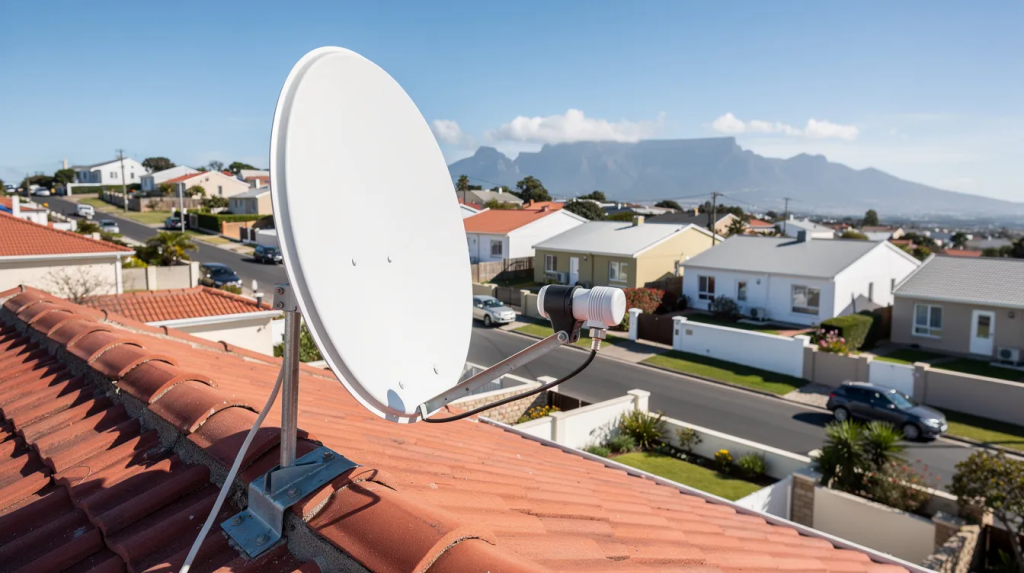
The LNB receives satellite signals and passes them through the cable system to compatible equipment. Different setups may require different LNB configurations, depending on the decoder and number of connections.
A qualified DStv satellite dish installer can check whether the existing LNB is suitable, replace damaged cables and secure loose connections. Proper cable routing helps protect the installation from accidental damage and unnecessary exposure to the elements.
If you are planning to connect additional televisions, explain your requirements before the work begins. This helps determine which components and connections are appropriate.
Decoder Setup and Extra Viewing Points
A satellite dish installation should work with the decoder and television equipment being used. Correct connections and signal checks help reduce setup problems and make it easier to identify faults.
An experienced DStv satellite dish installer can assist with connecting compatible decoders, checking signal levels and planning additional viewing points where the equipment supports them. Explora and multi-room arrangements may require particular cabling or compatible components.
Before upgrading your setup, have the existing system assessed. Reusing suitable equipment may help reduce costs, while replacing incompatible parts can improve the overall arrangement.